
Exploring the cultural tapestry woven through casino history
The Origins of Casinos and Their Cultural Significance
The origins of casinos can be traced back to ancient civilizations where games of chance were played as part of religious and social rituals. In ancient Rome, for instance, gambling was an integral part of celebrations, and the wealthy often hosted lavish games to showcase their wealth and social status. These early forms of gaming not only entertained but also reinforced community bonds and hierarchical structures within society. Our exploration reveals the best online pokies australia, showcasing modern gaming alongside this rich history.
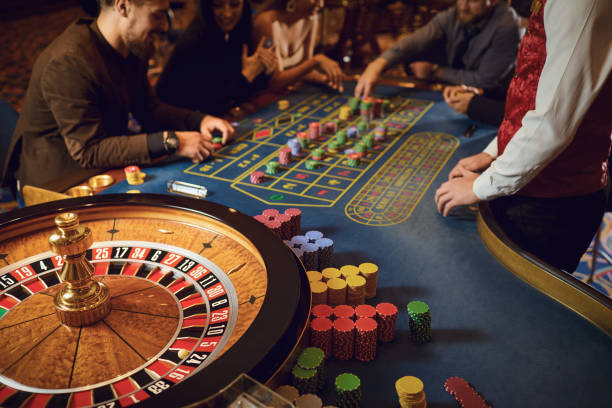
As we move through history, we see the establishment of dedicated gambling houses in the 17th and 18th centuries, particularly in Italy and France. The term “casino” itself derives from the Italian word “casa,” meaning house, which reflects the evolving nature of these spaces. In France, the opulent salons of Paris became the epicenters of gaming culture, where the elite gathered to partake in games like roulette and baccarat. This melding of leisure and elite social interaction helped shape the modern understanding of casinos as venues of entertainment and cultural exchange.
The cultural significance of casinos extends beyond mere gambling; they have been catalysts for social interaction and economic development. In cities like Las Vegas and Monte Carlo, casinos have transformed local economies and become symbols of glamour and excess. These establishments often showcase stunning architecture and art, reflecting the cultural values and aspirations of the societies in which they exist. Thus, casinos serve as more than just places to gamble; they are dynamic cultural spaces that reveal much about social norms and economic conditions over time.
Casinos Through the Ages: A Reflection of Society
Throughout history, casinos have mirrored societal changes and evolving attitudes toward gambling. For example, during the Great Depression, gambling became a form of escapism for many, leading to the legalization of casinos in several states in the U.S. This period marked a shift in public perception, as gambling was no longer viewed solely as a vice but also as a potential economic lifeline. The establishment of casinos created jobs and stimulated local economies, demonstrating how societal crises can reshape cultural attitudes.
The 20th century saw further evolution in the casino landscape, particularly with the rise of Las Vegas as a gambling mecca. The city became synonymous with entertainment, hosting grand shows, concerts, and renowned acts alongside its casinos. This transformation highlighted a cultural shift toward leisure and extravagance, attracting tourists from around the globe. The glitzy façade of Las Vegas casinos encapsulates a unique blend of American consumer culture, entertainment, and the allure of risk.
Moreover, the advent of online casinos has revolutionized the gambling industry, breaking geographical barriers and allowing a broader audience to engage in gaming. This shift not only reflects advancements in technology but also points to a changing social landscape where traditional notions of gambling are being redefined. As online platforms gain popularity, the culture surrounding gambling is becoming increasingly inclusive, attracting diverse demographics and fostering a global gaming community.
The Role of Technology in Shaping Casino Culture
Technology has played a pivotal role in the evolution of casino culture, transforming how games are played and experienced. The introduction of electronic slot machines in the 1960s revolutionized gambling, making it more accessible and attractive to a wider audience. These machines, with their flashing lights and engaging sounds, created a new kind of gaming experience that drew in people who may not have been interested in traditional table games.
As technology progressed, the rise of digital gaming and online casinos further reshaped the landscape. Players can now enjoy their favorite games from the comfort of their homes, engaging in a form of entertainment that is both convenient and immersive. Live dealer games, which combine the authenticity of a physical casino with the convenience of online gaming, have become increasingly popular, providing a rich social experience in a digital format. This technological advancement highlights the adaptability of casino culture in response to consumer needs and preferences.
Virtual reality (VR) and augmented reality (AR) are the next frontiers in casino gaming, promising to create even more immersive experiences. With VR, players can enter a virtual casino environment where they can interact with other players and dealers, enhancing the social aspect of gaming. This innovation exemplifies how technology continues to push the boundaries of traditional gambling experiences, ensuring that casinos remain relevant and engaging in an ever-changing cultural landscape.
The Intersection of Gambling and Entertainment
Casinos have long been associated with entertainment, evolving into multi-faceted venues that offer a variety of experiences beyond gambling. The integration of live performances, fine dining, and luxury accommodations has transformed casinos into comprehensive entertainment hubs. This shift reflects a broader cultural trend where leisure activities are increasingly intertwined, appealing to diverse interests and creating a holistic experience for visitors.
In Las Vegas, for instance, the infamous Las Vegas Strip showcases a myriad of entertainment options, from world-class concerts to theatrical productions. The presence of celebrity chefs and extravagant shows highlights the casino’s role as a cultural hotspot, attracting tourists and locals alike. This blend of gambling and entertainment serves to enhance the overall experience, making casinos appealing destinations for both gaming enthusiasts and those seeking a vibrant social atmosphere.
The intersection of gambling and entertainment has also led to the rise of themed casinos, which immerse guests in unique narratives and experiences. These establishments often draw inspiration from popular culture, history, or local traditions, further enriching the cultural tapestry of casino spaces. By offering a diverse range of activities, casinos successfully cater to a broad audience, fostering a sense of community and shared experience among visitors.

Discovering Online Gaming: A New Era in Casino Culture
The emergence of online gaming platforms marks a significant shift in casino culture, allowing players to access their favorite games anytime and anywhere. This transition from physical to digital spaces has democratized gambling, making it more inclusive for a global audience. Players can enjoy a variety of games, including slots, poker, and roulette, from the comfort of their homes, breaking traditional barriers associated with gambling.
Online casinos also offer a wealth of information and resources to enhance players’ experiences. Detailed guides, bonus promotions, and reviews of top-rated platforms empower players to make informed decisions about where to play. This accessibility to knowledge fosters a more educated gambling community, encouraging responsible gaming and financial management.
Moreover, the online gaming experience is continually evolving, with innovations such as mobile apps and live dealer games enhancing user engagement. Players can experience the thrill of a live casino environment through streaming technology, bridging the gap between online and traditional gaming. This blend of convenience, accessibility, and technological advancement signifies a new era in casino culture that prioritizes user experience while maintaining the rich heritage of gambling.