
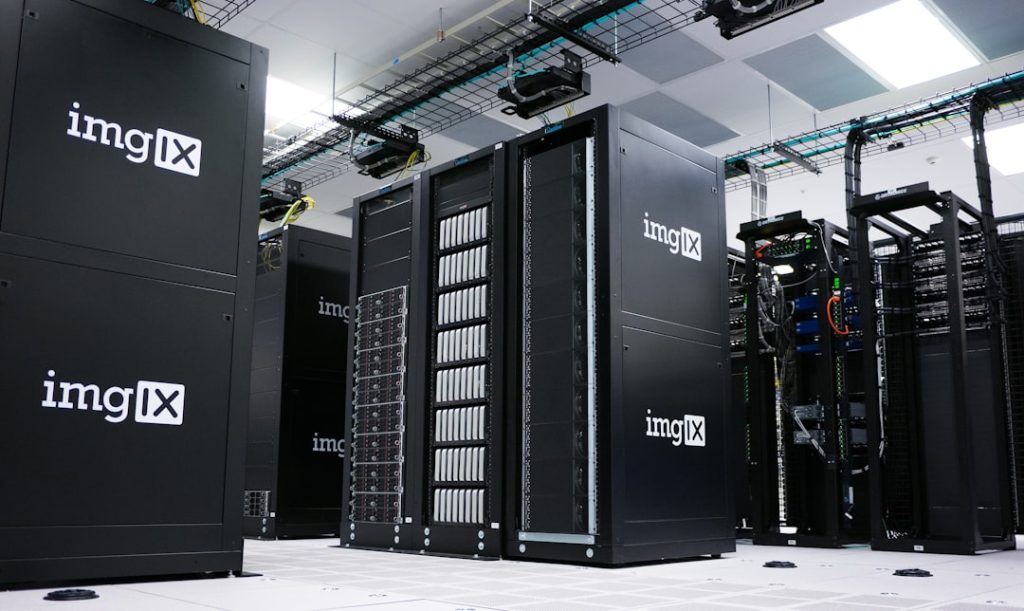
Cloud platforms and virtual servers have transformed business hosting by making infrastructure easier to deploy and scale. For many applications, virtualization provides exactly the combination of flexibility, performance, and affordability businesses need.
But not every workload performs best inside a virtualized environment.
Large databases, high-traffic applications, data processing platforms, virtualization clusters, SaaS infrastructure, and other resource-intensive workloads may require predictable access to substantial computing resources. In these situations, sharing underlying hardware through virtualization may not be the preferred approach.
This is where bare metal server hosting becomes valuable.
A bare metal server provides physical computing resources dedicated to a single customer. Rather than operating as a virtual machine alongside other customers, your workloads run directly on dedicated hardware, giving your organization greater control over CPU, memory, storage, operating systems, and server configurations, similar in principle to Linux dedicated server hosting.
For businesses that have reached the limits of VPS or conventional cloud environments, bare metal hosting can provide the performance foundation needed for the next stage of growth.
HostingSource provides server infrastructure solutions designed to support businesses with demanding applications, performance requirements, and long-term scalability needs.
What Is a Bare Metal Server?
A bare metal server is a physical server dedicated exclusively to one customer or organization.
The term “bare metal” refers to applications and operating systems running directly on physical hardware rather than within a shared virtualization layer.
A typical bare metal server provides dedicated access to:
- Physical CPU resources
- RAM
- SSD or NVMe storage
- Network interfaces
- Operating system
- Server configuration
- Hardware resources
Because another customer isn’t sharing the same physical server, businesses gain predictable access to the hardware assigned to their environment.
This makes bare metal particularly attractive for workloads where consistent performance is a priority.
Is Bare Metal the Same as a Dedicated Server?
Bare metal servers and dedicated servers are closely related concepts and are sometimes used interchangeably.
Both generally provide a physical server for one customer.
However, the term bare metal is often associated with modern, high-performance infrastructure designed for flexible deployment, automation, cloud integration, and demanding enterprise workloads.
Traditional dedicated server hosting may emphasize long-term hardware leasing, while bare metal platforms can be designed to provide dedicated hardware with some of the operational flexibility associated with cloud infrastructure.
The exact distinction depends on the provider and service architecture.
What matters most is that businesses understand the hardware, management model, deployment options, and resources included with the service.
Why Businesses Choose Bare Metal Hosting
Virtualization introduces enormous flexibility, but businesses sometimes reach a stage where direct hardware access becomes advantageous.
Common reasons organizations move to bare metal include:
- Large workloads
- High transaction volumes
- Large databases
- Consistent resource requirements
- Specialized server configurations
- High-performance computing
- Virtualization platforms
- Data-intensive applications
For these workloads, having dedicated hardware can provide greater predictability.
Dedicated Hardware Means Predictable Resources
One of the primary benefits of bare metal hosting is resource isolation.
The physical processor, memory, and storage assigned to the server aren’t divided into virtual environments for unrelated customers.
This allows applications to use available hardware according to the server configuration.
Predictable resources can be particularly valuable for applications experiencing consistently high utilization.
For example, a large database may need substantial RAM throughout the day. A data-processing application may continuously use CPU resources. A high-traffic SaaS platform may need consistent processing capacity to support customers.
Bare metal infrastructure gives these workloads dedicated hardware on which to operate.
High-Performance Processing
CPU performance matters for workloads involving significant computation.
Applications such as data analytics, financial modeling, software compilation, search systems, large databases, and enterprise applications may process enormous numbers of operations.
With bare metal hosting, businesses can select server configurations based on workload requirements.
Depending on available infrastructure, organizations may prioritize:
- Core count
- Processor frequency
- Memory capacity
- Storage performance
- Network throughput
Matching hardware to applications can significantly improve infrastructure efficiency.
NVMe Storage and Bare Metal Servers
Storage performance can become a major bottleneck for data-intensive applications.
Traditional hard drives offer high storage capacity but comparatively slower data access. SATA SSDs improved storage performance significantly, while NVMe storage technology provides an even faster interface designed specifically for modern flash storage.
Bare metal servers equipped with NVMe storage can be particularly useful for:
- High-transaction databases
- Ecommerce platforms
- SaaS applications
- Analytics workloads
- Search applications
- Large content platforms
- Development environments
When evaluating bare metal server hosting, storage architecture deserves as much attention as processor and memory specifications.
Bare Metal for Large Databases
Databases frequently benefit from predictable infrastructure.
SQL Server, MySQL, MariaDB, PostgreSQL, MongoDB, and other database technologies can become resource intensive as data volume and transaction frequency increase.
Database performance may depend on:
- Available RAM
- CPU resources
- Storage latency
- Disk throughput
- Network connectivity
- Database optimization
Bare metal servers allow administrators to build hardware configurations specifically around database requirements.
For businesses where databases power customer-facing services, predictable performance can become extremely important.
Bare Metal Hosting for Ecommerce
Large ecommerce websites perform many operations behind every customer interaction.
A single purchase may involve product databases, inventory management, account authentication, shopping cart sessions, payment gateways, tax calculations, shipping services, and order management systems.
During seasonal promotions or major campaigns, thousands of users may perform these operations simultaneously.
Bare metal infrastructure provides dedicated resources capable of supporting demanding ecommerce hosting environments.
It can also be integrated with load balancing, caching, CDN services, cloud infrastructure, and dedicated database servers as the ecommerce platform expands.
Bare Metal for SaaS Platforms
SaaS businesses need infrastructure that grows alongside their customer base.
As more subscribers use an application, demand increases across web servers, databases, APIs, storage systems, and background processes.
Bare metal servers can provide a strong foundation for established SaaS platforms with predictable workloads.
Some organizations use dedicated bare metal servers for databases while deploying application workloads in virtual or cloud environments.
Others build entire virtualization clusters on bare metal hardware.
The flexibility to combine infrastructure approaches allows SaaS businesses to optimize architecture around their specific requirements.
Bare Metal and Virtualization
Choosing bare metal does not mean abandoning virtualization.
In fact, organizations can use bare metal servers to create their own virtualization environments.
Platforms such as VMware, Hyper-V, Proxmox, and other virtualization technologies can be deployed on dedicated physical servers, depending on licensing and technical requirements.
This gives businesses greater control over how physical resources are divided among virtual machines.
For organizations operating multiple applications, private virtualization environments can provide a useful combination of hardware isolation and workload flexibility.
Bare Metal vs VPS Hosting
A VPS runs as a virtual machine on physical infrastructure.
Bare metal provides access to a physical server dedicated to one customer, which is a very different model from VPS hosting for small business.
VPS hosting is generally an excellent option for:
- Small and medium businesses
- Business websites
- Moderate ecommerce stores
- Development environments
- Growing applications
Bare metal becomes more attractive when applications require:
- Greater processing capacity
- Large memory configurations
- Consistent resource availability
- Specialized hardware
- Large databases
- Intensive workloads
The correct choice depends on actual application requirements.
Bare Metal vs Cloud Hosting
Cloud hosting emphasizes flexibility.
Resources can often be provisioned quickly and adjusted according to demand.
Bare metal emphasizes dedicated hardware and predictable physical resources.
Businesses don’t necessarily need to choose one exclusively. A modern infrastructure strategy may combine both as part of a hybrid cloud hosting approach.
For example, an organization might host a large database on bare metal while running front-end applications on scalable cloud infrastructure.
This hybrid approach allows businesses to place each workload in the environment that best matches its requirements.
Bare Metal vs Traditional Dedicated Hosting
Both solutions provide dedicated physical hardware.
The difference often comes down to how infrastructure is provisioned and managed.
Modern bare metal hosting may include features associated with cloud platforms, such as automated deployment, API-driven management, network integration, and flexible provisioning.
Traditional dedicated servers may use longer-term configurations and more manual administration.
Because terminology varies among providers, businesses should focus on the actual service specifications rather than the label alone.
Security Advantages of Dedicated Hardware
Bare metal infrastructure provides physical resource isolation from unrelated customer workloads.
This can be valuable for organizations with strict security requirements.
However, dedicated hardware alone does not make a server secure. Businesses still need appropriate security controls, and should evaluate DDoS protected hosting given the availability risks facing internet-facing servers.
These controls include:
- Firewall configuration
- Access management
- Operating system patching
- Malware protection
- Security monitoring
- Application updates
- Network segmentation
- Backup strategies
- Strong authentication
Managed infrastructure services can help organizations maintain these controls when internal IT resources are limited.
Bare Metal Server Operating Systems
Bare metal servers can support different operating systems depending on hardware compatibility and provider offerings.
Linux distributions are widely used for web applications, databases, development platforms, and open-source software.
Windows Server may be appropriate for organizations using Microsoft-specific applications or enterprise environments.
Businesses should select an operating system according to application compatibility, technical expertise, licensing requirements, and management preferences.
Managed Bare Metal Hosting
Running dedicated hardware requires ongoing administration.
Servers need monitoring, security updates, software maintenance, backups, and performance optimization.
Businesses with experienced system administrators may choose to manage infrastructure internally.
Organizations without dedicated infrastructure teams can benefit from managed dedicated hosting.
Depending on the service scope, managed bare metal hosting may assist with:
- Server monitoring
- Operating system management
- Security patching
- Backup management
- Performance troubleshooting
- Infrastructure support
The right management model depends on the organization’s technical resources.
High Availability with Bare Metal
A single bare metal server still represents one physical machine.
If the application requires very high availability, businesses should consider architecture beyond a single server.
This may involve:
- Multiple bare metal servers
- Load balancing
- Database replication
- Redundant networking
- Backup infrastructure
- Failover systems
- Disaster recovery environments
High availability is an architectural strategy rather than a feature automatically created by choosing powerful hardware.
Businesses operating mission-critical applications should plan redundancy from the beginning.
Backup and Disaster Recovery
Dedicated hardware should always be supported by an independent backup strategy.
Backups should not exist only on the same server as production data.
Businesses should consider separate backup storage, cloud backups, off-site replication, or disaster recovery infrastructure.
A good recovery strategy answers several important questions:
How much data can the business afford to lose?
How quickly must systems return online?
Where are backups stored?
How often are backups created?
Have restoration procedures actually been tested?
Planning these answers before an incident occurs dramatically improves business resilience.
Who Should Consider Bare Metal Hosting?
Bare metal hosting can be appropriate for:
Enterprises
Large organizations running resource-intensive internal or customer-facing applications.
SaaS Providers
Established software platforms requiring predictable server resources.
Ecommerce Businesses
High-volume retailers processing substantial customer activity.
Database-Heavy Applications
Businesses processing large or frequently accessed datasets.
Development Companies
Teams requiring custom server configurations or virtualization platforms.
Data Processing Workloads
Organizations performing intensive analytics, computation, or automated processing.
Hosting Providers and Agencies
Businesses managing multiple customer workloads that require substantial infrastructure.
How to Choose a Bare Metal Server
Choosing the right configuration starts with understanding the workload.
CPU Requirements
Determine whether the application benefits more from higher clock speeds or additional processor cores.
Memory
Large databases, virtualization platforms, and caching systems may require significant RAM.
Storage
Consider capacity, performance, redundancy, and whether SSD or NVMe technology is appropriate.
Network
Evaluate bandwidth requirements, expected data transfer, and latency sensitivity.
Operating System
Choose an operating system aligned with applications and administrative expertise.
Management
Decide whether the infrastructure will be managed internally or with provider assistance.
Growth
Select an architecture that can expand as workloads increase.
Why Consider HostingSource for Bare Metal Server Hosting?
HostingSource provides server and infrastructure solutions for businesses with a wide range of performance requirements.
Organizations evaluating bare metal or dedicated infrastructure can consider their needs around:
- Dedicated hardware
- CPU and memory resources
- SSD and NVMe storage
- Windows and Linux environments
- Managed infrastructure
- Backup solutions
- Network performance
- Disaster recovery
- VPS and cloud integration
- Technical support
The objective should be to select infrastructure based on the actual workload rather than purchasing unnecessary resources.
HostingSource can support businesses as they move from virtual environments toward dedicated infrastructure and more advanced hosting architectures.
Building Infrastructure for Long-Term Growth
Bare metal should not be viewed as the final stage of infrastructure growth.
As applications continue expanding, organizations may eventually require multiple servers, distributed databases, cloud integration, private networks, load balancing, or geographic redundancy.
Monitoring resource utilization provides the information needed to make these decisions.
Businesses should track CPU usage, memory consumption, storage performance, network activity, database growth, and application response times.
Infrastructure can then evolve before performance limitations begin affecting users.
Conclusion
Bare metal server hosting provides businesses with dedicated physical resources for workloads where predictable performance, control, and hardware isolation matter.
It can be particularly valuable for large databases, high-traffic ecommerce platforms, established SaaS applications, enterprise software, virtualization environments, and data-intensive workloads.
However, choosing bare metal should be based on actual requirements rather than simply assuming dedicated hardware is always better. VPS and cloud hosting remain excellent options for many workloads, while hybrid architectures can combine the strengths of multiple hosting models.
Businesses should evaluate CPU, RAM, storage, networking, security, backups, management, and future scalability before selecting infrastructure.
HostingSource provides server hosting solutions designed to support organizations as their technology requirements evolve. From VPS and cloud environments to dedicated and bare metal infrastructure, businesses can build a hosting strategy that matches both current workloads and long-term growth.
Frequently Asked Questions
What is bare metal server hosting?
Bare metal server hosting provides a physical server dedicated to one customer rather than running the customer’s workload inside a shared virtualized server environment.
Is bare metal hosting the same as dedicated server hosting?
The terms are often used similarly because both provide dedicated physical hardware. Bare metal may sometimes refer to modern dedicated infrastructure with flexible provisioning or cloud-style management capabilities.
Is bare metal faster than VPS hosting?
Bare metal provides direct access to dedicated physical resources, which can benefit resource-intensive workloads. However, actual performance depends on server specifications, application design, configuration, and workload characteristics.
Who needs a bare metal server?
Bare metal servers are commonly considered for large databases, high-traffic applications, SaaS platforms, enterprise software, virtualization environments, and other workloads requiring substantial or predictable resources.
Can I use NVMe storage with a bare metal server?
Yes, depending on the server configuration offered. NVMe can be particularly useful for database-heavy and data-intensive applications requiring low-latency storage.
Can bare metal servers be used with cloud hosting?
Yes. Businesses can combine bare metal and cloud infrastructure within hybrid architectures, placing different workloads in the environment that best suits their performance and scalability requirements.
Does HostingSource provide bare metal and dedicated server solutions?
HostingSource provides server infrastructure options for businesses with different resource, operating system, storage, management, and scalability requirements, including environments for organizations that require dedicated server resources.